Korean Skincare Routine Order: What Each Step Does
Learn the Korean skincare routine order, from oil cleanser to sunscreen, with what each step does, which to skip, and Olive Young prices.

The Korean skincare routine order is simple: cleanse, tone, treat, moisturize, and in the morning finish with sunscreen. Products go on from the thinnest texture to the thickest. Anything past those five steps is optional, and a beginner can start with only four products: a cleanser, a toner, a moisturizer and a sunscreen.
The famous ten-step version is better read as a menu than a schedule. Below is what each step does, what the evidence says about it, where the order matters and where it doesn't, and what a starter set costs in Seoul.
The Korean skincare routine order, step by step
Here is the full sequence, with the steps most beginners can drop marked as optional.
| Step | Product | Morning | Night | What it does |
|---|---|---|---|---|
| 1 | Oil or balm cleanser | No | If you wore sunscreen or makeup | Dissolves oil-based residue |
| 2 | Water-based cleanser | Optional (water is fine) | Yes | Rinses off sweat, dust and leftover oil cleanser |
| 3 | Toner | Yes | Yes | First layer of water after washing |
| 4 | Essence or serum | Optional | Optional | Delivers one targeted ingredient |
| 5 | Moisturizer | Yes | Yes | Slows water loss from the skin |
| 6 | Sunscreen | Yes | No | Blocks UV light |
Eye cream, exfoliants, sheet masks and face oil slot in around these steps. They are extras, and none of them is required for the routine to work.
Why thinnest to thickest works, and where it breaks
The logic is physical. A heavy cream sits on the surface and gets in the way of anything applied over it, so watery products go first. A common Korean shortcut is to ignore the label on the bottle and go by thickness. One brand's "essence" can be thicker than another brand's "serum," and the thinner one goes first.
The American Academy of Dermatology gives a shorter sequence in its guidance on applying skin care products in a certain order: wash with a gentle cleanser, apply any medication or treatment right after, then moisturizer and sunscreen, then makeup. It also warns that using too many products may irritate skin, especially several anti-aging products at once. That is the strongest argument for keeping a Korean skincare routine order short.
Two details get argued over. The first is waiting time between layers. Some guides say 30 seconds to a minute per step, others say you can move on once the product stops feeling slippery. One dermatology-minded site argues there is little evidence a serum needs five or twenty minutes alone before moisturizer, and hydrating products go on fine over slightly damp skin. I'd go with the second view. If a layer pills or rolls into crumbs, you used too much or stacked too fast.
The second is sunscreen placement. Korean routines put it last. The Johns Hopkins Medicine page on sunscreen in your morning routine says order doesn't matter so long as the product is at least SPF 30, water-resistant and broad-spectrum. In practice, last is easiest. Putting anything over sunscreen risks diluting it.
What each step actually does
Cleansing and the double cleanse
Double cleansing means washing first with an oil-based product, then with a water-based one. The oil step dissolves things water struggles with, such as waterproof makeup, sunscreen and sebum. The second cleanse removes sweat, dust and the oil cleanser itself.
Cleveland Clinic's explainer on the double cleansing method says it can be useful if you wear makeup or sunscreen and may cause dryness and irritation if you don't. Its dermatologists also say most skin types don't need it. Treat it as a removal technique, not a skin booster. My position: do it on nights you wore sunscreen or makeup, once a day, and use a single gentle cleanser otherwise. Apply the oil to dry skin, massage, add water to emulsify, rinse, then use the second cleanser. Skip the oil step if your skin is reactive.
Mornings are different. Cleveland Clinic's face-washing guidance suggests that dry or sensitive skin may do fine with water alone in the morning and a cleanser only at night.
Toner
A toner is a watery liquid applied right after cleansing. In Korea there are two methods. Wipe-off toner (닦토, "dakto") goes on a cotton pad and sweeps the face, which can add light exfoliation if the toner has mild acids. Press-in toner (흡토, "heupto") is patted in with clean palms and is mainly about hydration.
The most common misunderstanding is that toner "restores your pH." Skin recovers on its own after a gentle wash, so I'd describe toner as the first layer of water that makes the next layers easier to apply. Nothing more mystical than that.
Essence and serum
These are the treatment steps. An essence is a lightweight, watery product, usually hydrating. A serum is a more concentrated product built around one ingredient, such as hyaluronic acid for hydration or niacinamide for oil control. Neither term has a strict definition on a Korean label, so go by thickness.
Beginners can skip this step for the first few weeks. One serum aimed at one concern is plenty, and every added product raises the odds of irritation.
Moisturizer
A moisturizer works through up to three kinds of ingredients. Humectants such as glycerin pull water into the outer skin layer. Emollients smooth the gaps between skin cells. Occlusives such as petrolatum form a surface film that slows evaporation. A review in Karger's Skin Pharmacology and Physiology on skin barrier repair and moisturization describes how all three properties support the physical skin barrier.
Pick by texture. Oily or combination skin usually does better with a gel or water cream, and dry skin with a richer cream. It also explains why humectant-only products, like many toners and watery serums, need a moisturizer on top.
Sunscreen
Sunscreen is the step with the strongest evidence and the one people skimp on. The AAD says to use at least one teaspoon of sunscreen on the face, roughly the length of your index and middle fingers. Johns Hopkins gives a lower figure, about half a teaspoon for face and neck. Lab test doses work out to roughly a quarter teaspoon for the face alone, so the AAD number is the generous end. Either way, most people apply far too little.
Reapply about every two hours when outdoors, and after swimming or sweating. Johns Hopkins also notes that makeup is not enough protection even with a high SPF, because you'd need an ounce of foundation on your face to get there.
Morning and night: what a beginner can skip
A workable beginner pair looks like this:
- Morning: water or a gentle cleanser, hydrating toner, moisturizer, sunscreen.
- Night: oil cleanser only if you wore sunscreen or makeup, then a gentle cleanser, hydrating toner, moisturizer.
That is four steps each. I'd run those core four for about a month before adding an essence or serum. It lets you spot which product causes a reaction. Cleveland Clinic's dermatologist says much the same thing about minimums: at its simplest, a cleanser followed by moisturizer and sunscreen, in that order.
Sheet masks are a pleasant extra, usually used a couple of times a week after toner or serum. They are a hydration treat, not a daily need.
Where retinol and other actives fit
Actives are ingredients with a specific, measurable effect, such as retinol, exfoliating acids and vitamin C. They break the "keep it simple" rule, so they get their own placement.
The AAD places treatments right after cleansing, before moisturizer. Beyond that, strengths, frequency and combinations vary by product and by skin, so follow the label and ask a dermatologist if you're unsure. A few cautious habits make sense:
- Add one active at a time, only after the basic four steps feel stable.
- Start with low frequency and increase only if your skin stays comfortable.
- Wear sunscreen every morning. Cleveland Clinic notes that some spot treatments can raise sun sensitivity.
- If you get burning, swelling or a rash that doesn't settle, stop and see a dermatologist.
Reading a Korean label: functional cosmetics and PA ratings
In Korea, some claims are regulated. A "functional cosmetic" (기능성화장품) is a product whose claim, such as whitening, wrinkle improvement or UV protection, goes through the Ministry of Food and Drug Safety (MFDS). Sunscreens fall in this category. "Whitening" on a Korean label refers to improving dark spots and uneven tone, not changing your natural skin colour. A functional-cosmetic status is a regulatory fact. It tells you nothing about how well the product will work for your skin.
For sunscreens, learn the two numbers:
- SPF measures UVB protection and is printed up to "50+" on Korean labels.
- PA measures UVA protection. PA+ means a UVA protection factor of 2 to under 4, PA++ is 4 to under 8, PA+++ is 8 to under 16, and PA++++ is 16 or more.
Korean labelling has no "broad spectrum" category like the US one, according to one K-beauty reference summarising the MFDS rules. Check both numbers together. Because Johns Hopkins recommends at least SPF 30 for daily use, an SPF 50+ PA++++ product like most Korean daily sunscreens clears that bar on paper. Real-world protection still depends on how much you apply.
What a beginner set costs at Olive Young
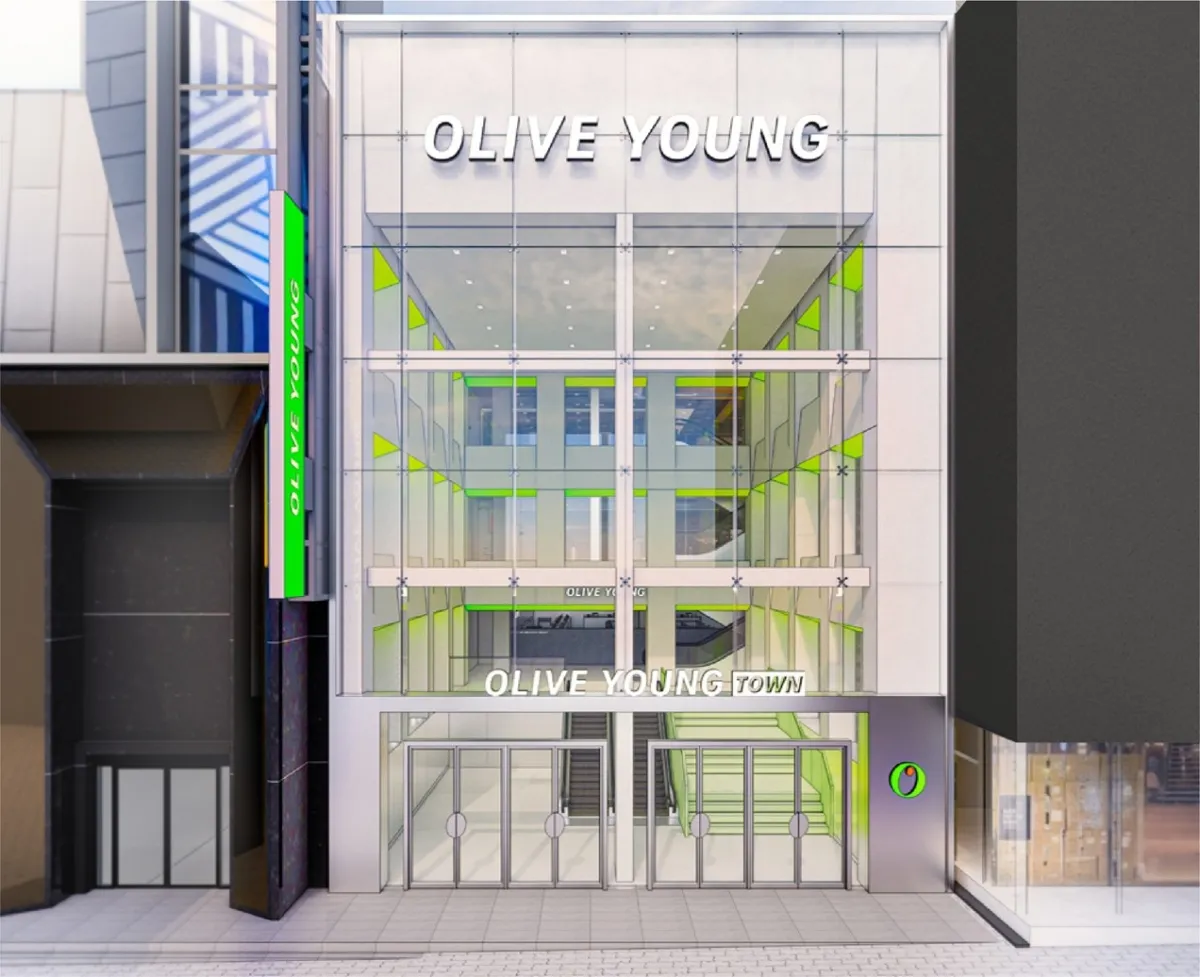
Olive Young, the health and beauty chain, is where most beginners in Seoul buy. Prices below are shop-listed ranges from 2026 roundups and vary by promotion, so check the shelf tag. Dollar values are approximate.
- Toner: Round Lab 1025 Dokdo Toner (200 ml) is listed at about ₩11,900 to ₩15,000 (roughly $9 to $11). Anua toner runs about ₩18,000 to ₩22,000 ($13 to $16).
- Cleanser: Round Lab Dokdo Cleanser is listed at about ₩12,000.
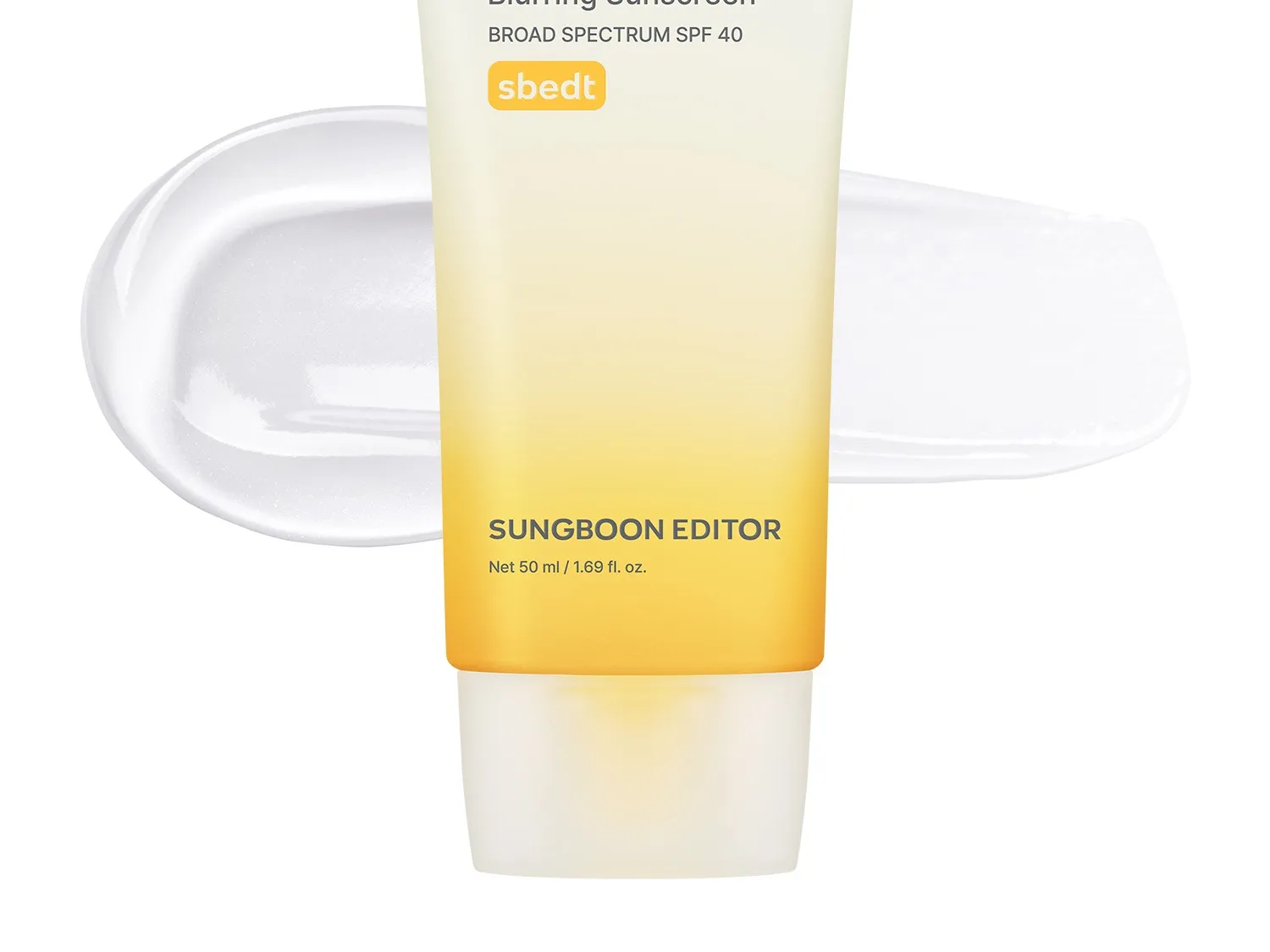
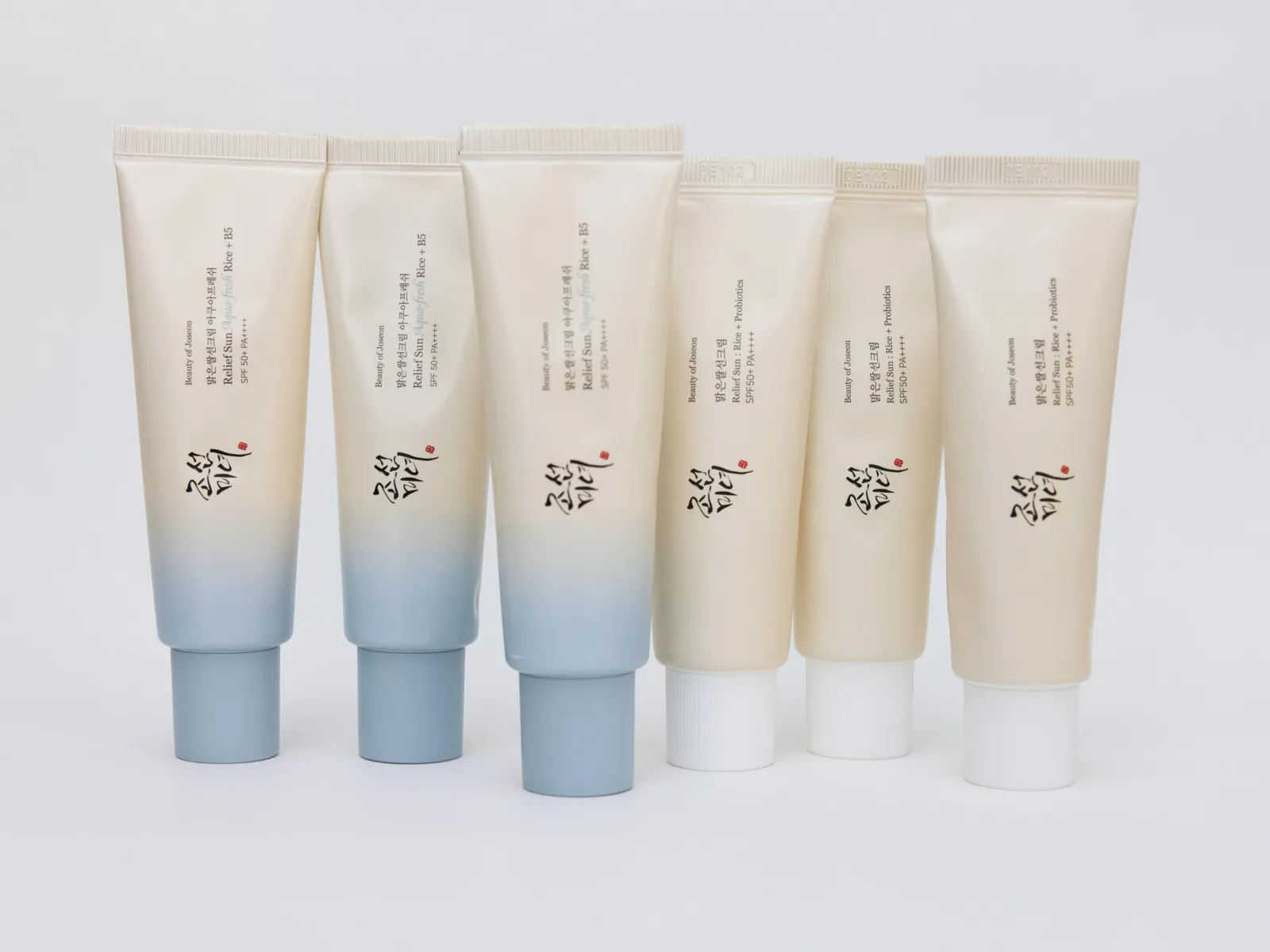
- Sunscreen: Beauty of Joseon Relief Sun (50 ml) ranges from about ₩9,000 to ₩18,000 depending on the source and promotion. A 3-pack is listed at ₩30,000 to ₩35,000 ($22 to $26). Round Lab Birch Juice Moisturizing Sun Cream is listed at about ₩15,000 to ₩18,000.
- Rough total: a cleanser, toner and sunscreen at the low end come to about ₩36,000 (around $27), before you add a moisturizer.
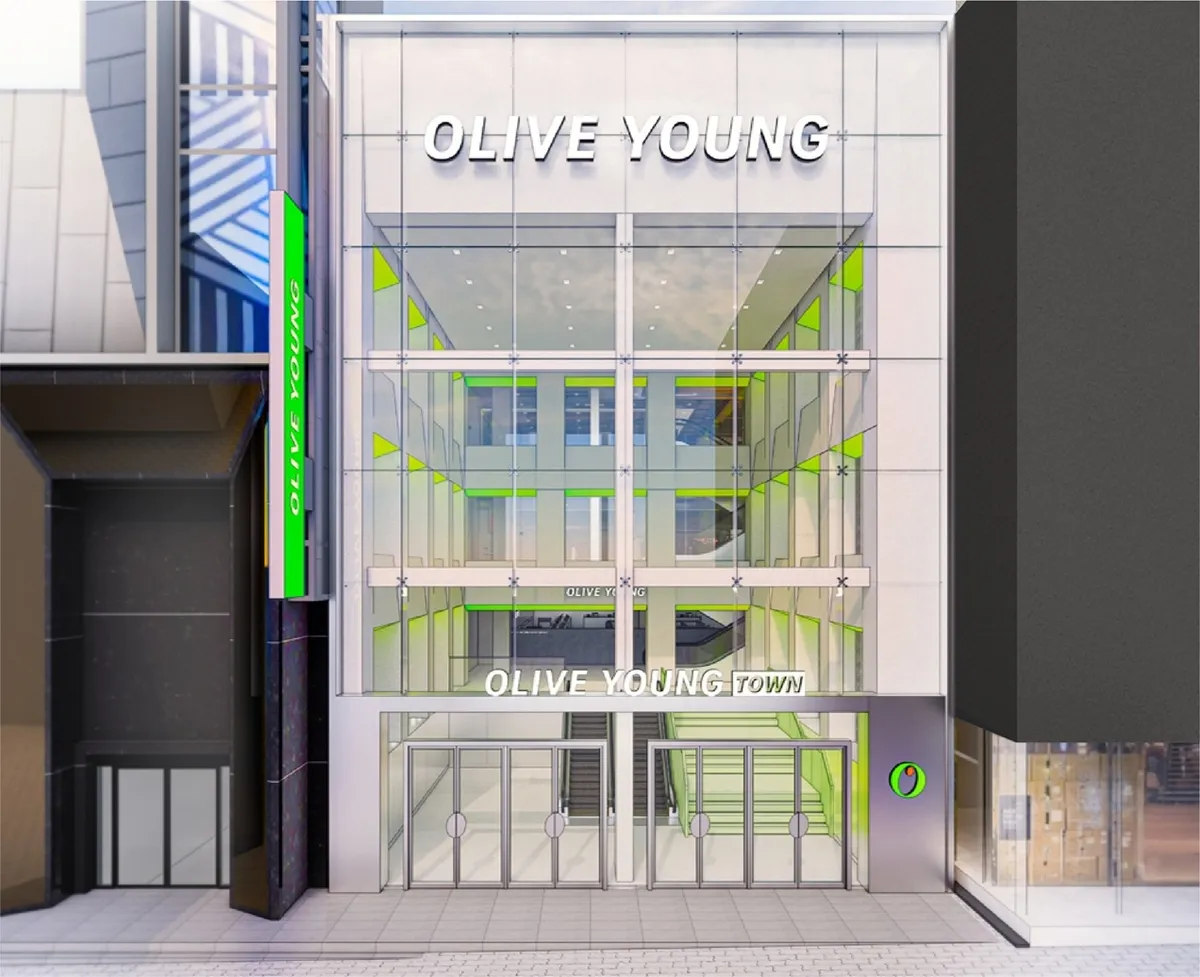
The Myeongdong Town store is at 53 Myeongdong-gil, Jung-gu, and the official Olive Young Myeongdong Town page lists Exit 8 of Myeongdong Station on Line 4 or Exit 5 of Euljiro 1(il)-ga Station on Line 2. Hours are 10:00 to 22:30 daily. According to Seoul Economic Daily, it recorded the highest revenue of any Olive Young store in 2025, with foreign customers making up 95% of sales. A second, larger store, Central Myeongdong Town, opened on 26 March 2026 with about 15,000 products from roughly 1,000 brands. It is at 27 Myeongdong 8-gil and is a separate store from the 53 Myeongdong-gil branch. For the instant tax refund, one visitor guide lists a ₩15,000 minimum per receipt and says to bring your physical passport.
Frequently asked questions
Do I need all 10 steps of a Korean skincare routine?
No. The ten-step version is a menu, not a requirement. A beginner can start with four products: a gentle cleanser, a hydrating toner, a moisturizer and a sunscreen for mornings. Add an essence or a single targeted serum later, one product at a time, so you can tell what helps and what irritates. The American Academy of Dermatology warns that using too many products can irritate skin.
Should toner go on before or after serum?
Toner goes before serum. Korean routines layer from the thinnest, most watery texture to the thickest, so the usual sequence is toner, then essence, then serum or ampoule, then moisturizer. If you are unsure what a product is, ignore its category name and judge by thickness. A watery serum can go before a gel-like essence.
Is double cleansing necessary every night?
Only on nights you have worn sunscreen or makeup. An oil or balm cleanser dissolves oil-based residue that a water-based cleanser may leave behind. Cleveland Clinic dermatology guidance says double cleansing can help if you wear makeup or sunscreen, but otherwise it may cause dryness and irritation. If you do it, do it once a day, at night.
Does sunscreen go before or after moisturizer?
In the standard Korean order, sunscreen is the last skincare step in the morning, applied after moisturizer and before makeup. Johns Hopkins Medicine says order matters little as long as the sunscreen is SPF 30 or higher, water resistant and broad-spectrum. Putting other products on top of sunscreen can dilute or disturb the layer, so last is the easiest habit.
What does PA++++ mean on Korean sunscreen?
PA is Korea's UVA protection grade, printed as PA+ through PA++++. It comes from a persistent pigment darkening test on volunteers. A UVA protection factor of 16 or more earns PA++++, the top grade. SPF measures UVB and is printed up to 50+ on Korean labels. Korean labelling has no US-style broad spectrum category, so read SPF and PA together.