PDRN Skin Booster in Korea: Prices, Evidence, Serums
What a PDRN skin booster costs in Korea in 2026, what trials show, why serums differ, and how to check the product before an injection.
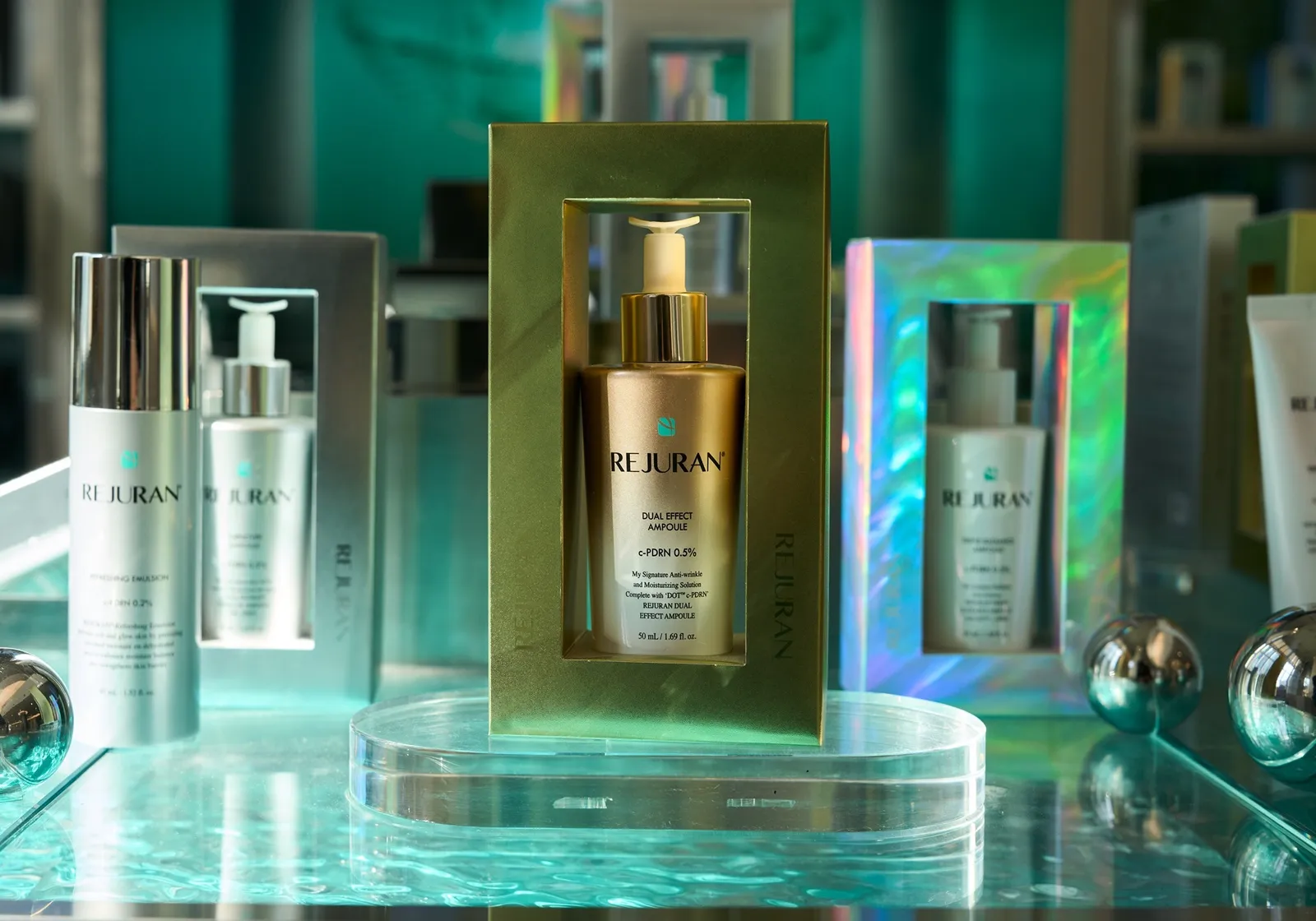
A PDRN skin booster is a series of small injections that place salmon-derived DNA fragments into the dermis, and in Korea the best-known version is Rejuran. As of late 2026, a session usually costs ₩200,000 to ₩500,000 (about $145 to $360), most clinics recommend three sessions, and the trial evidence is real but modest. The PDRN serums sitting on Olive Young shelves are a different product, and they shouldn't be expected to do what the injection does.
What a PDRN skin booster actually is
PDRN stands for polydeoxyribonucleotide, a purified DNA fragment, and in cosmetic medicine it's almost always extracted from salmon. Olive Young's own editorial on Rejuran puts it simply: PDRN is a purified ingredient derived from salmon DNA. A "skin booster" is the broader category of injectables placed into the dermis to improve skin quality rather than fill volume. Hyaluronic acid, PDLLA and polynucleotides all fall under that label.
The terminology is messier than the marketing suggests. Polynucleotide (PN) refers to longer DNA chains, while PDRN refers to shorter fragments. One 2025 narrative review proposed a formal cutoff of 1500 kDa to separate the two terms. PharmaResearch, the Gangneung-based company behind Rejuran, works with both PDRN and PN. Korean pharmacy press describes Rejuran itself as a PN product. In practice, Seoul clinics say "PDRN injection" and "Rejuran" as if they were the same thing. They aren't quite, and the difference matters when you compare prices or read studies.
Rejuran launched in 2014 and is sold across Asia. In Korea it's licensed as a medical device. That licence status is the single most useful fact to hold onto when you're comparing clinics, and I'll come back to it below.
PDRN skin booster price in Korea, as of late 2026
Prices vary by clinic, dose and whether a laser or numbing add-on is bundled. The figures below come from clinic price pages published between September and November 2026, converted at roughly ₩1,400 per US dollar. Treat them as ranges, not quotes.
| Item | Typical price (KRW) | Approx. USD |
|---|---|---|
| Rejuran Healer 2cc, one session | ₩200,000–₩480,000 | $145–$345 |
| Rejuran Healer 4cc | ₩450,000–₩700,000+ | $320–$500 |
| Eye or HB-type lines, by volume | ₩150,000–₩400,000 | $105–$285 |
| Three-session package | ₩450,000–₩1,200,000 | $320–$860 |
| Topical PDRN serum or cream | ₩28,000–₩65,000 | $20–$46 |
A Sinsa dermatology clinic's 2026 guide lists Rejuran Healer 2cc at ₩200,000–₩480,000 and 4cc at ₩450,000–₩700,000 or more. Another Seoul guide lists three-session packages at ₩450,000–₩1,200,000. Topical PDRN products run ₩28,000–65,000. At the premium end, a Cheongdam clinic published ₩300,000 (about $215) for 2cc as of September 2026.
Compare by cc, not by session. One Gangnam clinic explains that 2cc is the standard dose for the full face, while 4cc covers face plus neck or stands in for two sessions' worth. That means a ₩240,000 2cc session and a ₩479,000 4cc session cost almost the same per cc, about ₩120,000. A "cheap" ₩90,000 entry price tells you very little until you know how many cc you get.
Also check the tax line. Several clinic pages state that listed prices are non-reimbursed and exclude VAT. Korean VAT is 10%, so a ₩240,000 headline is ₩264,000 at the counter. Clinics that sell the same product at the same dose compete mostly on add-ons, so the comparison is worth five minutes.
What trials show about injected PDRN and PN
The honest summary is that injected PN and PDRN look safe and probably useful, and that the skin-rejuvenation evidence is the thinnest part of the picture.
A 2026 systematic review searched PubMed, Embase and Cochrane through January 2026 and found seven randomized trials with 183 participants in total. Only four of those looked at skin rejuvenation; one covered scar prevention and two covered wound healing. No serious treatment-related adverse events were reported. The authors note that small samples, mixed protocols and inconsistent outcome measures limit what can be concluded. The strongest results in the review came from wound healing, not cosmetic use.
That ordering is worth remembering. The most convincing data is for damaged or healing skin. For ordinary ageing skin, the effects in the trials were more modest, though the review described them as consistently favourable.
The under-eye area, where Rejuran Eye is aimed, has its own review. It covered six studies, mostly in East Asian women with Fitzpatrick III–V skin, and found short-term benefit with safety established only to six months and no data on medium- or long-term durability. Clinics commonly say results last 6 to 12 months. One Seoul clinic words it as "about 6 to 12 months" and adds that it varies by metabolism, skin condition and lifestyle. Treat that as clinical experience rather than something the trials have measured.
A related limit: polynucleotides aren't fillers. A Cheongdam clinic's own page points out that under-eye hollowing and pigment both read as shadow, and neither responds to PDRN. If your concern is volume loss, a booster won't fix it.
Why a PDRN serum isn't a cheaper Rejuran
This is the most commonly misunderstood point in Korean skincare right now, and I'd call it the most overrated claim on the shelf. CJ Olive Young reported that searches for "PDRN" during a major sale period rose 695% over the same sale the year before. That figure measures shopping interest, not proof that topical products produce a regenerative result.
The problem is size. PDRN fragments are roughly 50–1500 kDa, while efficient passive skin permeation is generally limited to molecules under about 500 Da. Its negative charge also hinders passage through the stratum corneum. A 2025 PMC study on plasma-treated PDRN was built around exactly this barrier. Dermatology Times states it plainly: standard-weight PDRN in a serum doesn't reach the dermal fibroblasts where its targets sit.
There's one narrow exception worth knowing about. A late-2025 study on a low-molecular-weight peony-derived PDRN reported better under-eye elasticity after four weeks of topical use, and it's described as the first published topical clinical evidence for any form of PDRN. That's one study on one ingredient, not salmon PDRN in the ₩30,000 ampoule you're holding. The same article's verdict is honest uncertainty rather than dismissal.
Serums aren't useless. Most contain hyaluronic acid, glycerin or niacinamide, which do hydrate and support the barrier. If you like how a PDRN serum feels, it's probably because of those ingredients. Some practical checks when you're in an Olive Young aisle:
- Look for PDRN under its INCI name. It's often listed as hydrolyzed DNA.
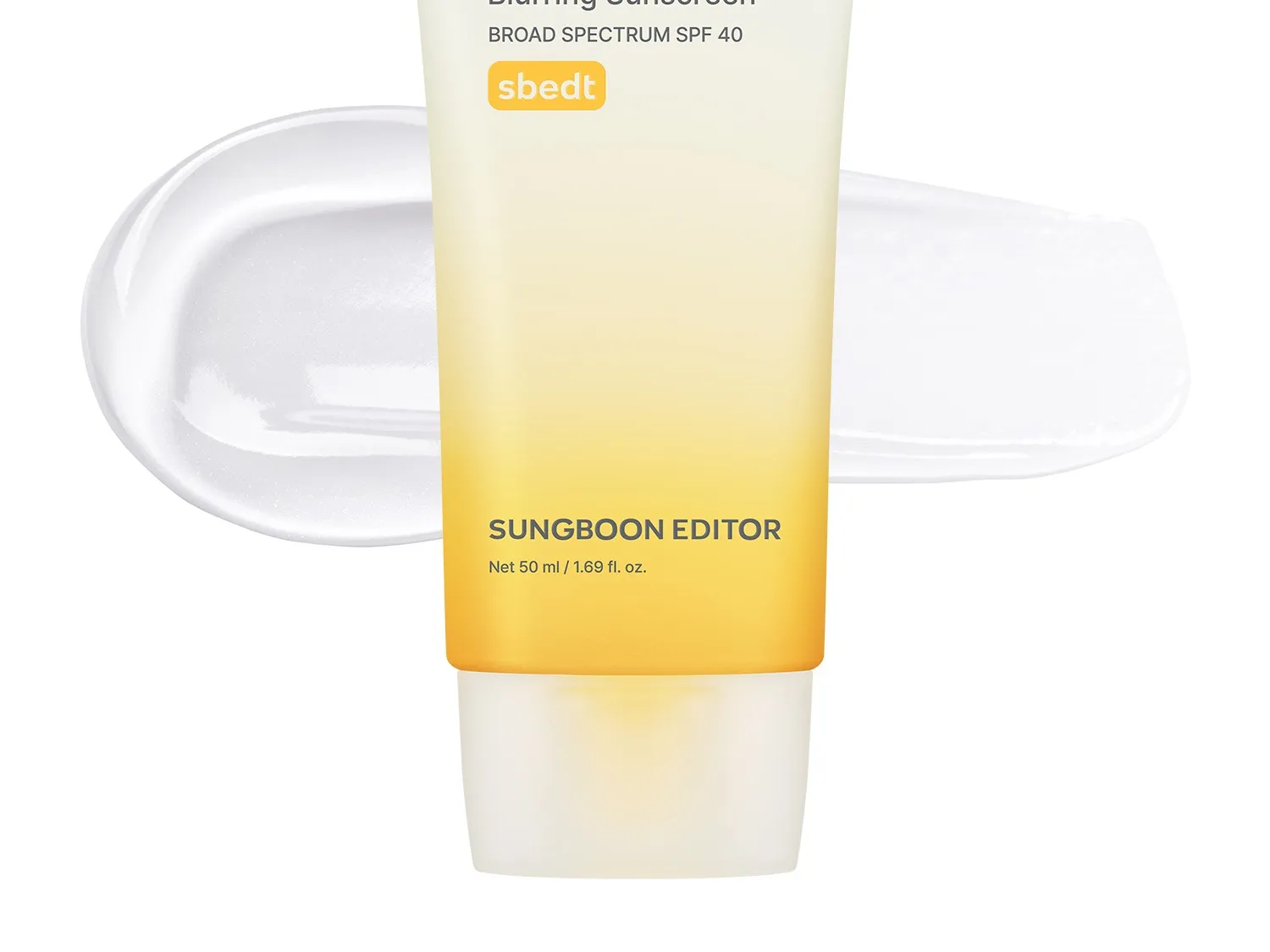
- Check where it sits in the list. One dermatologist reviewing a Rejuran sunscreen noted PDRN was the fourth ingredient from the bottom and doubted it contributed much.
- Be wary of drug-like wording. Korea's regulators have been. Over four years, 106 PDRN cosmetic ads were flagged, and 81 of them (76.4%) risked being mistaken for a medicine. Violations rose from 7 in 2023 to 41 in the first half of 2026 alone. Eleven cases led to formal administrative penalties between 2023 and mid-2026.
You can read more about that enforcement in this Hankyung report on PDRN cosmetic ad violations, and about why serum penetration is doubtful in Dermatology Times' PDRN serum evidence review.
Check the box before the needle goes in
The legal line in Korea is clear and it's the biggest safety issue around skin boosters. Only products licensed as drugs or medical devices are meant to be injected. Cosmetics aren't. Korea's medical dispute mediation agency and consumer agency have received reports of inflammation, granulomas and scarring after skin booster injections, and the Korean Dermatologic Association has warned members about the risks. That Medipana report was written a few years ago and focused on cosmetic-registered products being injected, with exosomes as a headline example. A lawmaker quoted in the trade press warned that cosmetic-registered products skip clinical testing and sterility standards required of injectables.
So the steps are simple.
- Ask for the exact product name, not "salmon injection".
- Ask to see the sealed box and lot number before the syringe is opened.
- Confirm that the product is a licensed medical device for intradermal use. Rejuran is, per the trade press above.
- Ask who is injecting. If you want to verify credentials, our guide to checking a board-certified plastic surgeon in Korea explains the process, though for skin boosters a board-certified dermatologist is also a reasonable choice.
Clinic marketing sometimes oversells too. One clinic summarizes Rejuran Healer's licensed purpose as the temporary improvement of facial wrinkles in adults. Collagen-boosting, pore-shrinking and whitening claims sit outside that wording.
The US situation is different. As of September 2026, one clinic's regulatory explainer says no injectable PDRN or PN product, Rejuran included, has FDA approval for intradermal use in the US. That's a clinic blog, so verify the current FDA position yourself, but it explains why Korea gets so much medical tourism for this treatment.
How a PDRN skin booster course runs
A standard Korean protocol is three sessions. One Gangnam clinic describes it as three or more sessions at two- to three-week intervals. That clinic then suggests one maintenance session every 6 to 12 months. For more aged or damaged skin, some clinics recommend up to five. If you're visiting Seoul for a week, this matters. A three-session course spaced two weeks apart doesn't fit into one trip, so plan a split course or accept a single session as a trial.
What to expect after each session, according to clinic descriptions rather than trials:
- Raised, bump-like marks at injection points for 1 to 3 days, which usually settle within one or two days.
- Redness, swelling and flushing for about a week.
- Smoother texture from around week one or two, with fine lines and firmness changing gradually after about four weeks.
Those timelines come from clinic pages, so treat them as typical rather than guaranteed. Bruising and infection are possible with any intradermal injection.
Who should hold off? One clinic lists pregnancy, active skin infection and salmon allergy as contraindications. A consultation with a licensed doctor should also cover your medical history and any other treatments you're planning.
The best budget move is probably the least exciting. Pay for one properly dosed session of a licensed product with a doctor you've vetted. Skip the ₩29,000 promotional teaser prices and the add-ons you don't need. Then spend ₩30,000 on a decent hydrating serum and a sunscreen, and don't expect the serum to do the injection's job.
Frequently asked questions
How much does a PDRN skin booster cost in Korea?
As of late 2026, clinic price lists show Rejuran Healer 2cc at roughly ₩200,000 to ₩480,000 per session (about $145 to $345), and 4cc at ₩450,000 to ₩700,000 or more. Many clinics quote prices before 10% VAT. Three-session packages are often listed between ₩450,000 and ₩1,200,000. Compare by cc, not by session, because dose differs.
Is PDRN the same thing as Rejuran?
Not exactly. PDRN is a general term for short salmon DNA fragments. Rejuran is a brand by PharmaResearch, a Korean company, and Korean press describes it as a polynucleotide (PN) product, which uses longer chains. Clinics and marketers use the two terms interchangeably, so ask which exact product is being injected and check its packaging.
Does a PDRN serum work like a Rejuran injection?
No evidence says it does. Standard PDRN fragments are far larger than the roughly 500 dalton size that skin lets through, so a serum mostly stays on the surface. A good serum can still hydrate through ingredients like hyaluronic acid. The clinical data on dermal thickness, elasticity and wrinkles comes from injected products, delivered into the dermis.
How many PDRN skin booster sessions do I need?
Korean clinics usually recommend three sessions spaced two to four weeks apart, then a maintenance session every six to twelve months. Some clinics suggest up to five sessions for more aged or damaged skin. These are clinic protocols rather than a fixed medical standard, and the published trials are small, so your dermatologist decides the plan after examining your skin.
Is Rejuran approved in the United States?
As of September 2026, one clinic's regulatory explainer states that no injectable PN or PDRN product, Rejuran included, has US FDA approval for intradermal skin use. In Korea, Rejuran is licensed as a medical device by the MFDS. Check the current FDA status yourself before any treatment abroad or at home.